


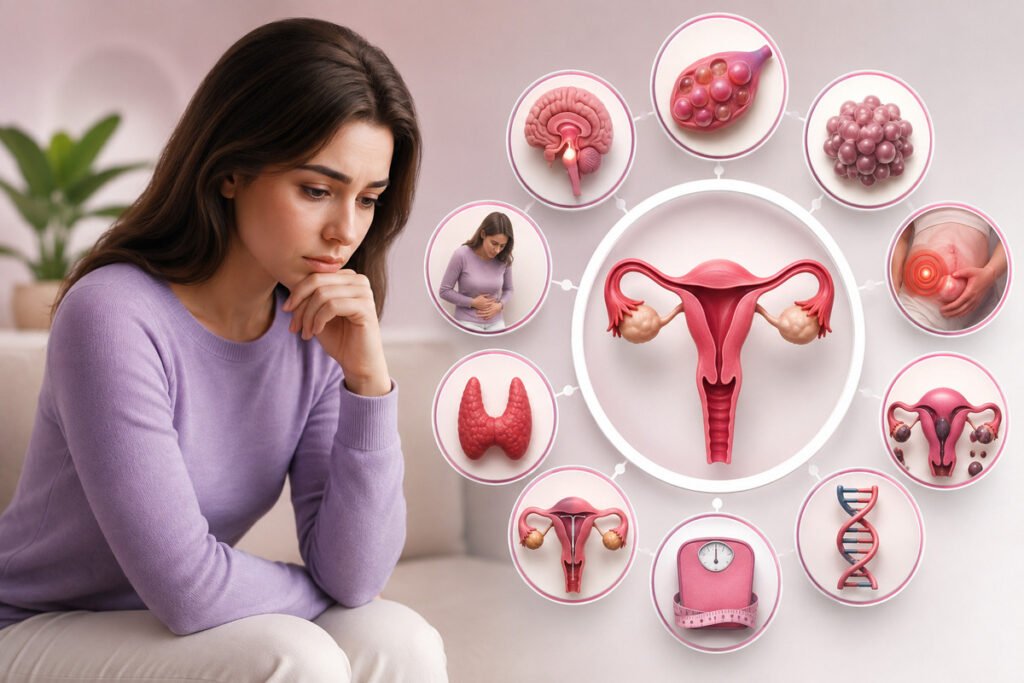
Infertility is defined as trying to get pregnant with unprotected physical intimacy for at least one to two years without success.
Infertility results from both female and male factors about one-third of the time, and female factors about one-third of the time. The cause can be unknown or a combination of male and female factors in some cases.
The causes of female infertility can be difficult to diagnose. But with advancements, there are many treatments available to treat the problem related to female infertility depending upon the causes. For pregnancy, every step of reproduction has to be performed correctly, and the steps involved are:
- Release of a mature egg from one or two ovaries
- Then the egg is picked up by the fallopian tube
- Sperm swim through the cervix, uterus, and into the fallopian tube to reach the egg for the process of fertilization
- Fertilized eggs travel through the fallopian tube to the uterus.
- The fertilised egg attaches to the uterus and grows.
The ovaries, fallopian tube, cervix, uterus, and vagina make up the female reproductive system. During the process of fertilization, the egg and sperm unite in the fallopian tube to form the zygote. Then the zygote travels through the fallopian tube, where it becomes a morula. When it reaches the uterus, it forms the blastocyst. Then the blastocyst burrows into the lining of the uterus, the process known as implantation.
13 Common Reasons For Female Infertility:

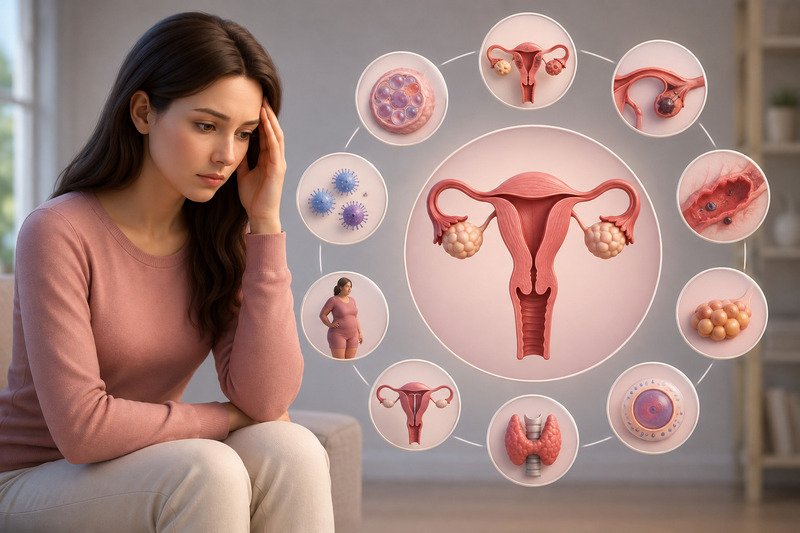
In women, there are various factors that can interrupt the process at any step. Female infertility can be caused by any one of the factors given below:
1. Age:
With age, fertility declines due to factors like lower egg quantity and quality. Decisions like late marriage and childbearing, on account of factors that include professional and personal decisions of the women, along with cultural and socio-economic factors, increase the risk of infertility in the future.
2. Obesity/Weight:
Overweight and obesity interrupt the hormonal balance of the body and affect the natural ovulation process; the menstrual cycle leads to a higher risk of infertility. The tissue called adipose, in excess, impacts the hormonal balance by increasing insulin levels and oestrogen, impacting the process of ovulation.
3. Exposure To Harmful Radiation And Chemicals:
Extensive exposure to radiation and chemicals present in plastics, pesticides and pollutants creates adverse effects on reproductive health. Exposure to all these toxins for a long time disturbs the hormonal balance, damages reproductive tissue and interrupts the functioning of the egg, which leads to infertility.
4. Smoking:
The chemicals present in it, like carbon monoxide and nicotine, can damage the DNA of the female egg, increase stress and accelerate the decrease of ovarian reserve. Smoking is also associated with the risk of ectopic pregnancy and endometriosis.
5. Stress:
Stress has a negative impact on reproductive health. High levels of stress hormones suppress the release of hormones that are responsible for regulating the menstrual cycle. This leads to irregular menstrual cycles and even the ovulation process. Stress can also affect the sexual health of women and further increase complications in the natural process of pregnancy.
6. Genetics:
Some genetic factors, like chromosomal abnormalities in genes related to fertility, are another common reason for infertility. This affects multiple aspects of the reproductive health of women, which include maturation and production of eggs, hormonal balance and proper development of reproductive organs.
7. Deficiency Of Nutrients:
An inadequate amount of essential nutrients such as vitamins, minerals and antioxidants affects women’s reproductive health. The deficiency of nutrients impairs the production of hormones, which interrupts the natural process of ovulation and compromises the quality of the egg, which leads to infertility.
8. Hormonal Imbalance:
Hormonal imbalance and thyroid hormones interrupt the natural process of ovulation, creating disruption and infertility. A disruption in ovulation means interference with the normal and natural release of the egg, which leads to an irregular menstrual cycle and further leads to infertility.
9. Endometriosis:
Endometriosis impacts the uterine lining, ovaries and pelvic area, disrupting the process of implantation of fertilised eggs. This could even damage the fallopian tube. This is the abnormal growth of tissue that causes inflammation or scarring, leading to abnormalities in various reproductive organs. This is a common and serious cause of infertility in women.
10. Damage To The Fallopian Tube:
A blocked or damaged fallopian tube keeps the sperm from getting to the egg or blocks the path of a fertilised egg into the uterus, which leads to an inability to conceive through the natural process. Common causes responsible for damaged fallopian tubes are pelvic inflammatory disease, endometriosis, sexually transmitted diseases, or pelvic surgeries.
11. PCOS:
It is a hormonal disease characterized by cysts on the ovaries, irregular periods and high levels of male hormones in the body. Women with PCOS can struggle with insulin resistance, ovulatory dysfunction, obesity and an increased risk of fertility issues.
12. Pelvic Inflammatory Disease:
This results from untreated STIs and bacterial infections in the reproductive tract, which leads to infection in the female reproductive organs. When these infections go untreated, they can ascend from the vagina and cervix to the upper reproductive organs, which may lead to scarring, inflammation and damage.
13. Sexually Transmitted Disease:
Untreated sexually transmitted diseases are also a serious cause of infertility. These diseases may lead to scarring and inflammation of the reproductive organs, leading to tubal factor infertility. This also increases the risk of miscarriage, ectopic pregnancy and complications during pregnancy. Early detection, prevention and proper treatment on time are the best keys.
Conclusion:
Through the above-mentioned points, you might have come to know about the common reasons for infertility.
Before going for any scientific treatment, consult with experts whether your infertility can be managed with modifications in lifestyle or with other factors.
If it’s managed, then it’s good; if it’s not possible to manage with those factors, then scientific treatment is the better option, including IUI and IVF.
So for that, you can consult with a fertility expert at the best IVF centre in Punjab. To preserve fertility, eat well, manage your lifestyle, and exercise daily; these are the best recommendations to maintain fertility naturally.